Where to go to the beach in Sardinia?
Monday, August 30, 2021
Sardinian beaches
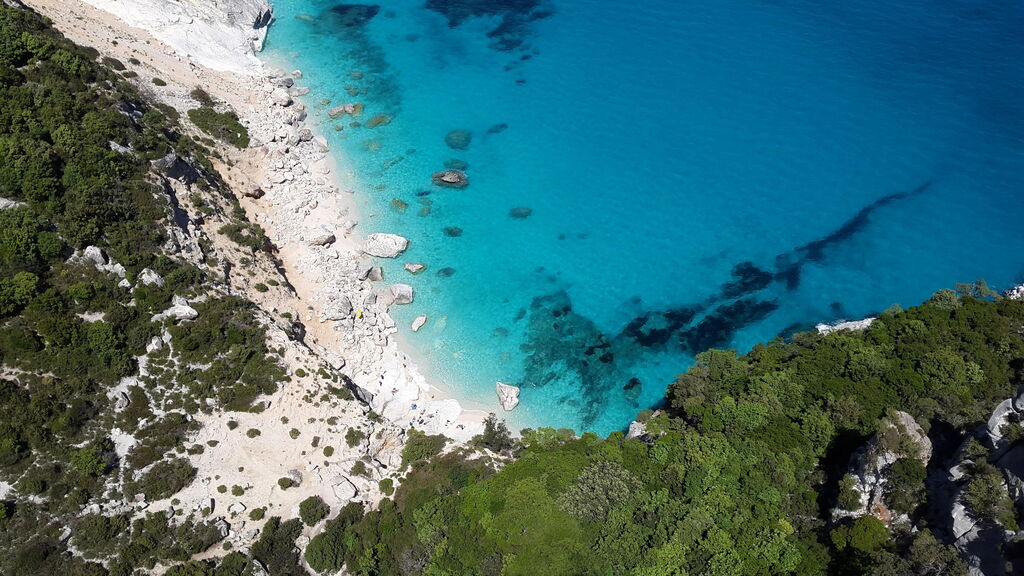
Sardinia and sea: two words linked by a double thread, like an indissoluble axiom. In the thoughts of many Italians, Sardinia represent sea and summer holidays par excellence!
If we would ask you to close your eyes and imagine Sardinia, pretty sure the vast majority of you would see an iconic white beach, washed by a crystalline sea, with incredible transparencies and a thousand shades of blue.
Which destination best represents your idea of Sardinia? If you had to advise someone where to go to the beach in Sardinia, which location would you suggest?
We at Sardinia Unlimited did 30 seconds of brainstorming.
From north to south, in a quick review of the most beautiful beaches of the Sardinian coasts, we have listed: il Poetto, Cala Coticcio, Cala Luna, Porto Giunco, Tuerredda, Is Arutas, Le Bombarde, Capriccioli, Dune di Piscinas, Cala Sinzias, Porto Pino, Spiaggia del Principe, Cala Brandinchi, Bosa Marina, Isola dei Gabbiani, Spiaggia del Pevero, Spiaggia Rosa di Budelli, La Pelosa, Cala Mariolu, Platamona, Le Vasche, Rena Bianca, Spiaggia del Dottore, Cannesisa, La Celvia… to name just a few of the spots that still echo in the room, which we have visited in recent years.
But let's try to do some order.
The best thing, in our opinion, given the vastness of the island, is to divide it into four coastal areas. For each of them we will recommend at least one beach, among the less frequented, but still noteworthy... and not only.
We therefore divide Sardinia into four sectors. So that, depending on where you will spend your holidays, you can easily reach the suggested locations:
• North coast of Sardinia. Clockwise: from Alghero to San Teodoro;
• East coast of Sardinia. Clockwise: from the Island of San Pietro to Alghero;
• South coast of Sardinia. Counterclockwise: from the Island of San Pietro to Costa Rei;
• West coast of Sardinia. Counterclockwise: from Costa Rei to San Teodoro.
If we would ask you to close your eyes and imagine Sardinia, pretty sure the vast majority of you would see an iconic white beach, washed by a crystalline sea, with incredible transparencies and a thousand shades of blue.
Which destination best represents your idea of Sardinia? If you had to advise someone where to go to the beach in Sardinia, which location would you suggest?
We at Sardinia Unlimited did 30 seconds of brainstorming.
From north to south, in a quick review of the most beautiful beaches of the Sardinian coasts, we have listed: il Poetto, Cala Coticcio, Cala Luna, Porto Giunco, Tuerredda, Is Arutas, Le Bombarde, Capriccioli, Dune di Piscinas, Cala Sinzias, Porto Pino, Spiaggia del Principe, Cala Brandinchi, Bosa Marina, Isola dei Gabbiani, Spiaggia del Pevero, Spiaggia Rosa di Budelli, La Pelosa, Cala Mariolu, Platamona, Le Vasche, Rena Bianca, Spiaggia del Dottore, Cannesisa, La Celvia… to name just a few of the spots that still echo in the room, which we have visited in recent years.
But let's try to do some order.
The best thing, in our opinion, given the vastness of the island, is to divide it into four coastal areas. For each of them we will recommend at least one beach, among the less frequented, but still noteworthy... and not only.
We therefore divide Sardinia into four sectors. So that, depending on where you will spend your holidays, you can easily reach the suggested locations:
• North coast of Sardinia. Clockwise: from Alghero to San Teodoro;
• East coast of Sardinia. Clockwise: from the Island of San Pietro to Alghero;
• South coast of Sardinia. Counterclockwise: from the Island of San Pietro to Costa Rei;
• West coast of Sardinia. Counterclockwise: from Costa Rei to San Teodoro.
What to see in Sardinia, apart from the beach?
In addition to the heavenly beaches, to be honest, this land offers so much more. The right question to ask, as well as where to go, is: what to do in Sardinia?
To be fair, the breathtaking beauty of the inland areas cannot be overlooked: gentle hill slopes covered with aromatic plants of the Mediterranean scrub, meadows and vineyards; fertile plains sown with cereals and embellished with generous orchards; rugged mountains and geological formations of various shapes; luxuriant forests of holm- and cork oaks; aquatic ecosystems rich in flora and fauna.
There are also several cities of great architectural interest, with a historic town center waiting to be discovered.
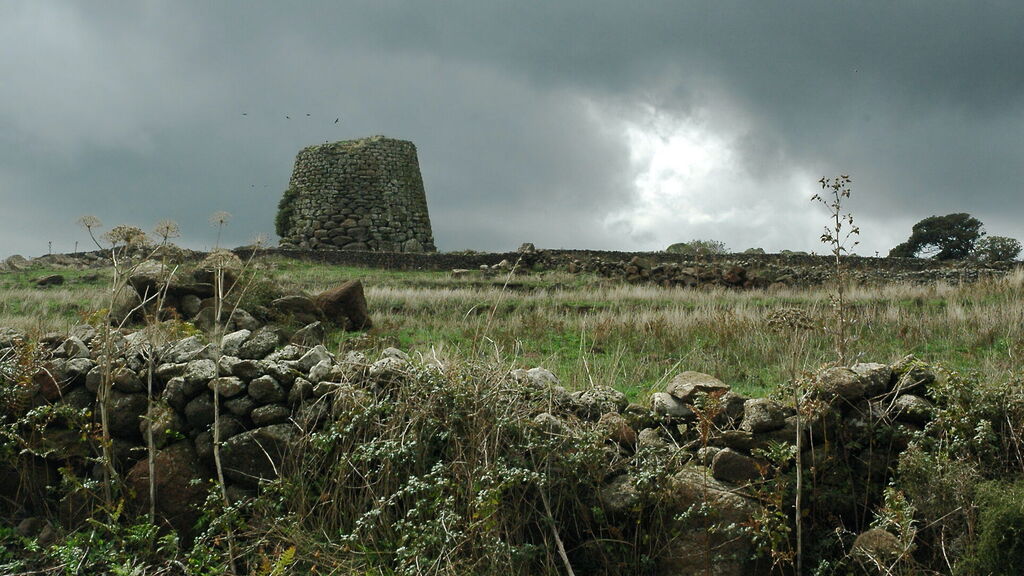
Added to this are megalithic and nuragic constructions, part of that magical and mysterious world of the past, and countless archaeological sites of great importance.
Sardinia is also a land of ancient traditions, heartfelt rites, beliefs and religious manifestations of undoubted interest and great charm, with a powerful evocative character.
Finally, it is worth mentioning the centuries-old culinary and wine tradition of this unique land, nestled in the middle of the Mediterranean Sea.
In short, in Sardinia you’ll never stop discovering a universe with many facets. We are sure that by visiting our beaches, you cannot avoid to fall in love with the other attractions that complete this unique island.
To be fair, the breathtaking beauty of the inland areas cannot be overlooked: gentle hill slopes covered with aromatic plants of the Mediterranean scrub, meadows and vineyards; fertile plains sown with cereals and embellished with generous orchards; rugged mountains and geological formations of various shapes; luxuriant forests of holm- and cork oaks; aquatic ecosystems rich in flora and fauna.
There are also several cities of great architectural interest, with a historic town center waiting to be discovered.
Added to this are megalithic and nuragic constructions, part of that magical and mysterious world of the past, and countless archaeological sites of great importance.
Sardinia is also a land of ancient traditions, heartfelt rites, beliefs and religious manifestations of undoubted interest and great charm, with a powerful evocative character.
Finally, it is worth mentioning the centuries-old culinary and wine tradition of this unique land, nestled in the middle of the Mediterranean Sea.
In short, in Sardinia you’ll never stop discovering a universe with many facets. We are sure that by visiting our beaches, you cannot avoid to fall in love with the other attractions that complete this unique island.
Going to the beach in Sardinia: 3 tips from the locals!
We who live in Sardinia, before suggesting places, want to give you 3 advices, useful to fully enjoy this magical island.
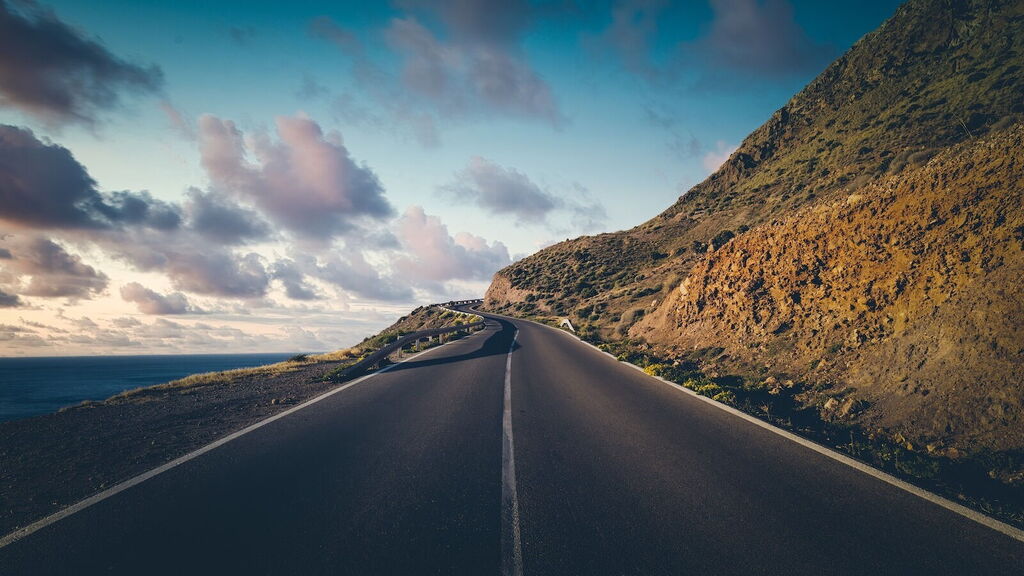
1. Rediscover slowness! Yes, exactly. Life on the island has different timing compared to life in large cities. So just relax! Take the time to discover and fully appreciate the natural beauties that Sardinia offers. And, when you find yourself in the middle of nowhere, on a mountain road or along the coast, do not despair. Just enjoy the landscape and continue to slowly drive or walk your way. In Sardinia sooner or later all roads lead to the sea.
2. Completely disconnect from work! Our second advice is closely related to the first one. When you are on the island, go back to your origins, establish a healthy contact with nature and with your inner self. Turn off your cell phone and carry on without video calls and Zoom briefings. In short, unless it is a really urgent matter, leave your job at home!
3. Always carry what you could need with you. Never leave without water and food, as well as the equipment suitable for what you are going to do: comfortable clothes, light and resistant shoes, various stuff. Distances are sometimes considerable, and you won't always have a shopping center close at hand. Always be cautious, whether you are enjoying the sea or exploring the hinterland and mountainous regions.
And now, let's finally go back to our macro areas...
1. Rediscover slowness! Yes, exactly. Life on the island has different timing compared to life in large cities. So just relax! Take the time to discover and fully appreciate the natural beauties that Sardinia offers. And, when you find yourself in the middle of nowhere, on a mountain road or along the coast, do not despair. Just enjoy the landscape and continue to slowly drive or walk your way. In Sardinia sooner or later all roads lead to the sea.
2. Completely disconnect from work! Our second advice is closely related to the first one. When you are on the island, go back to your origins, establish a healthy contact with nature and with your inner self. Turn off your cell phone and carry on without video calls and Zoom briefings. In short, unless it is a really urgent matter, leave your job at home!
3. Always carry what you could need with you. Never leave without water and food, as well as the equipment suitable for what you are going to do: comfortable clothes, light and resistant shoes, various stuff. Distances are sometimes considerable, and you won't always have a shopping center close at hand. Always be cautious, whether you are enjoying the sea or exploring the hinterland and mountainous regions.
And now, let's finally go back to our macro areas...
North coast of Sardinia
The north coast is probably the best known part of Sardinia. This is due to the glamorous resorts of the Costa Smeralda, such as Porto Cervo and Cala di Volpe; to the exclusive seaside villages such as Porto Rotondo and Baja Sardinia; to the iconic Pelosa beach in Stintino; to the white Catalan city of Alghero; to Santa Teresa di Gallura, which enchants with its rocks in front of Corsica; to the paradise on earth of the Maddalena Archipelago; to the lively San Teodoro; to the enchanting Marine Protected Area of Tavolara and Punta Coda Cavallo, south east of Olbia. These are just few of the rare pearls of the north, hoping not to forget anyone!
More info and an itinerary suggestion in north Sardinia, with villas for rent, can be found at this link!
Today we point out two places and some less-known beaches: Lu Bagnu and Valledoria, both easily reachable by car from Alghero airport and Porto Torres.
To be more precise, Lu Bagnu is a fraction of Castelsardo: a medieval village of rare beauty, with a Ligurian plant and architecture, perched on a hill overlooking the Gulf of Asinara. However, the major beaches are located in the agglomeration located west of the center, called Lu Bagnu. Here there are several beaches, with peculiar characteristics.
Among others, we mention three beaches with free access for all:
Celestine beach.
Easily to access through a descent to the sea consisting of a conspicuous number of steps. Light sand, clean sea, with mixed sea access with a mixed rocky and sandy bottom. It is usually not crowded: you can always find a place to plant an umbrella. But be careful, bring drinking water and everything you need with you, because the next bars and kiosks are quite far from the beach ... and you have to go up the same ladder from which you went down!
Madonnina beach.
Mixed seabed of sand and rock, clean and transparent sea.
Suitable for families with children, due to the shallow water for several meters. Same here: you can usually find a place to lay your beach towels. Nearby you'll find several services, such as bars and restaurants.
Ampurias beach and Sa Ferula beach.
These are two parts of the same beach, which can be accessed by two stairways placed to the west and to the east. The part of Sa Ferula is mainly a rocky beach, whereas Ampurias has a fairly wide golden sand beach.
During high season is the beach a little crowded. It is frequented mainly by local young people. To find a place it is best to arrive early.
The beach is easily reached, as it is practically part of the inhabited center.
Directly on the beach there is a kiosk, where you can have a good Italian coffee and buy fresh ice cream. At the parking lots in front of the beach there are other clubs and bars. During high season a Rescue service is active. Ampurias is known for its small island, a few tens of meters from the coast away, which can be reached by swimming a few minutes, and from which you can dive.
Valledoria is the name of the coastal town that borders Castelsardo. The village offers a slightly different type of beaches compared to those in Lu Bagnu. In Valledoria we find long and rather wide beaches, with plenty of space available to bathers, at any time of the year. Above all we point out the beach of San Pietro. The possibility of parking, both free and for a fee, as well as the presence of kiosks and restaurants in the area, and the proximity of a cool grove nearby, make the beach a destination that we recommend to those looking for an alternative spot in northern Sardinia. The seabed is always sandy, but beware that the water immediately gets deeper. So, if you are on holiday with children it is good to be more careful during their swimming time.
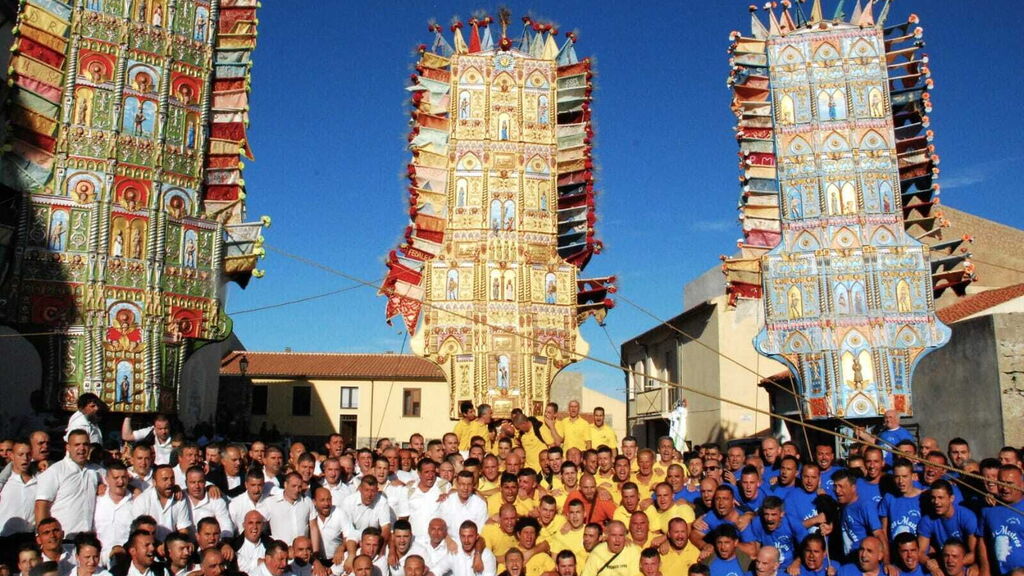
Cultural tip: if you happen to be on holiday in northern Sardinia during the mid-August period, we would like to point out a centuries-old tradition, which takes place on August 14 in Nulvi and Sassari, and on August 15th in Ploaghe. The so called parade of the Candelieri, a religious procession in which large “candlesticks” (which have different shape and weight and are no proper candlesticks) are carried on shoulders through the streets of the town. These three religious manifestations, deeply felt by the local populations, and with great pathos, differ from one another in terms of history, rituals and execution.
If you are interested, you can take part in all three parades, as the schedule of the processions will allow it.
More info and an itinerary suggestion in north Sardinia, with villas for rent, can be found at this link!
Today we point out two places and some less-known beaches: Lu Bagnu and Valledoria, both easily reachable by car from Alghero airport and Porto Torres.
To be more precise, Lu Bagnu is a fraction of Castelsardo: a medieval village of rare beauty, with a Ligurian plant and architecture, perched on a hill overlooking the Gulf of Asinara. However, the major beaches are located in the agglomeration located west of the center, called Lu Bagnu. Here there are several beaches, with peculiar characteristics.
Among others, we mention three beaches with free access for all:
Celestine beach.
Easily to access through a descent to the sea consisting of a conspicuous number of steps. Light sand, clean sea, with mixed sea access with a mixed rocky and sandy bottom. It is usually not crowded: you can always find a place to plant an umbrella. But be careful, bring drinking water and everything you need with you, because the next bars and kiosks are quite far from the beach ... and you have to go up the same ladder from which you went down!
Madonnina beach.
Mixed seabed of sand and rock, clean and transparent sea.
Suitable for families with children, due to the shallow water for several meters. Same here: you can usually find a place to lay your beach towels. Nearby you'll find several services, such as bars and restaurants.
Ampurias beach and Sa Ferula beach.
These are two parts of the same beach, which can be accessed by two stairways placed to the west and to the east. The part of Sa Ferula is mainly a rocky beach, whereas Ampurias has a fairly wide golden sand beach.
During high season is the beach a little crowded. It is frequented mainly by local young people. To find a place it is best to arrive early.
The beach is easily reached, as it is practically part of the inhabited center.
Directly on the beach there is a kiosk, where you can have a good Italian coffee and buy fresh ice cream. At the parking lots in front of the beach there are other clubs and bars. During high season a Rescue service is active. Ampurias is known for its small island, a few tens of meters from the coast away, which can be reached by swimming a few minutes, and from which you can dive.
Valledoria is the name of the coastal town that borders Castelsardo. The village offers a slightly different type of beaches compared to those in Lu Bagnu. In Valledoria we find long and rather wide beaches, with plenty of space available to bathers, at any time of the year. Above all we point out the beach of San Pietro. The possibility of parking, both free and for a fee, as well as the presence of kiosks and restaurants in the area, and the proximity of a cool grove nearby, make the beach a destination that we recommend to those looking for an alternative spot in northern Sardinia. The seabed is always sandy, but beware that the water immediately gets deeper. So, if you are on holiday with children it is good to be more careful during their swimming time.
Cultural tip: if you happen to be on holiday in northern Sardinia during the mid-August period, we would like to point out a centuries-old tradition, which takes place on August 14 in Nulvi and Sassari, and on August 15th in Ploaghe. The so called parade of the Candelieri, a religious procession in which large “candlesticks” (which have different shape and weight and are no proper candlesticks) are carried on shoulders through the streets of the town. These three religious manifestations, deeply felt by the local populations, and with great pathos, differ from one another in terms of history, rituals and execution.
If you are interested, you can take part in all three parades, as the schedule of the processions will allow it.
East coast of Sardinia
Let's change area and move towards the east coast. In our opinion, the east coast is the wildest one, especially for the beaches of Ogliastra. By now, everyone knows, at least by reputation, the coves set like diamonds in the impervious cliffs. Cala Luna, Cala Mariolu, Cala Fuili, Cala Goloritzé, are names that make many lovers of unspoiled nature and turquoise sea dream, as well as trekking and free climbing enthusiasts. Even the area of Arbatax and Tortolì, up to the Caribbean-like beaches of Costa Rei are known to most. So much so that we do not talk about such heavenly spots.
We would like to point out two "gems", located in the coastal stretch between Siniscola and Orosei, namely: the Capo Comino beach, with its large white sand dunes, and the naturalistic wonder of the Bidderosa oasis.
Capo Comino is a beach located in the territory of Siniscola, an important village on the east coast, from which it is about 15 kilometers away.
Although it is a well-known beach in Sardinia, not all tourists have heard of it. This is surprising, as it is fabulously set in a dream setting. Just think that several international directors have set films there!
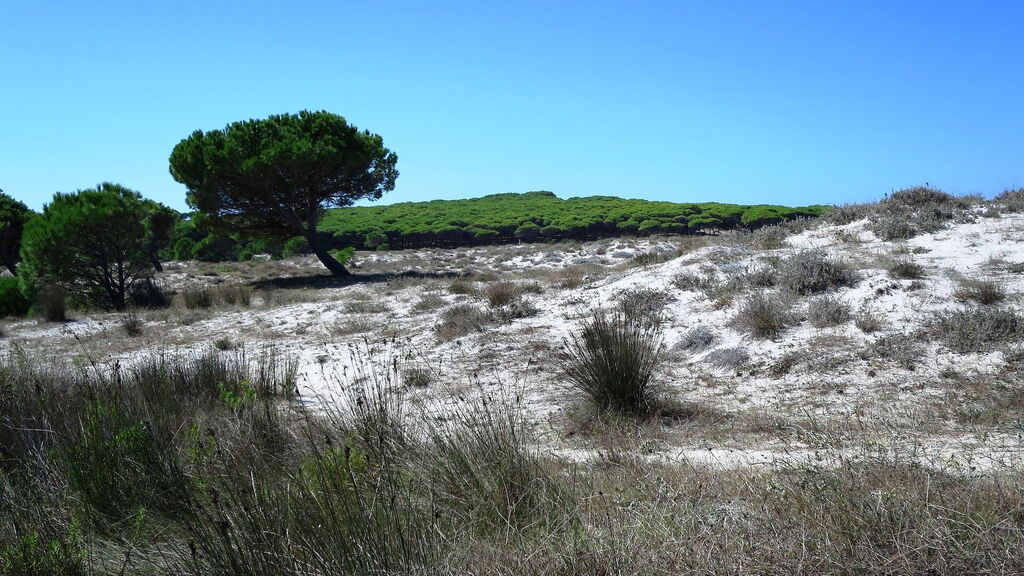
The sand is very white and soft, the hue of the water ranges from turquoise to emerald green. Everything is surrounded by high white sand dunes. Nearby a beautiful and fresh pine forest, which, together with the vegetation that grows close to the dunes, gives a touch of green to the dream setting. There are small ponds, which are home to water birds. Not far from the beach, there are some refreshment points. A gem for diving enthusiasts: on the seabed you can admire the wrecks of boats from different eras, and even a military aircraft.
Highly recommended beach, especially if you happen to stay in Baronia and its surroundings.
The Bidderosa Oasis is not far from Capo Comino.
It is a national park, protected by the Forest Authority and managed by a local cooperative, covering 860 hectares, located in the territory of the Municipality of Orosei, known for its scenic beauty and beaches.
Attention: the entrance to the Oasis is regulated and limited to a certain number of visitors, so it is necessary to book in advance on the official website and to respect nature protection rules.
The Oasis is located north of the Gulf of Orosei, a large natural inlet that includes various gems of rare beauty, such as the fantastic cliffs and beaches of Cala Gonone, Dorgali and Baunei.
The coastal forest consists mainly of Aleppo pines and domestic pines, but there are other species, such as holm oaks and centuries-old junipers. At the eastern end of the pine forest there you’ll find five different coves, with transparent sea and very fine sand. We suggest visiting the Oasis by taking healthy walks, or by bike.
Tip for trekking and nature enthusiasts! Not far from the above beauties, you can discover one of the largest canyons in Europe by taking part in an organized excursion in the Gorroppu Gorge, which winds along the border of the municipalities of Urzulei and Orgosolo.
It is one of the most extraordinary adventures you can experience in Sardinia. Where the canyon walls are at their deepest, they reach heights of up to 500 meters. You will feel on another planet walking among the high vertical rocks, where you can indulge in pareidolithic fantasies, having fun recognizing faces and animals.
Remember to wear suitable shoes and comfortable clothes, and to bring enough water and energy snacks with you, as the walk down the gorge can be challenging, especially if you are not used to walk for long time on rocky terrain.
Click here for more information and to get a quote for the excursion.
We would like to point out two "gems", located in the coastal stretch between Siniscola and Orosei, namely: the Capo Comino beach, with its large white sand dunes, and the naturalistic wonder of the Bidderosa oasis.
Capo Comino is a beach located in the territory of Siniscola, an important village on the east coast, from which it is about 15 kilometers away.
Although it is a well-known beach in Sardinia, not all tourists have heard of it. This is surprising, as it is fabulously set in a dream setting. Just think that several international directors have set films there!
The sand is very white and soft, the hue of the water ranges from turquoise to emerald green. Everything is surrounded by high white sand dunes. Nearby a beautiful and fresh pine forest, which, together with the vegetation that grows close to the dunes, gives a touch of green to the dream setting. There are small ponds, which are home to water birds. Not far from the beach, there are some refreshment points. A gem for diving enthusiasts: on the seabed you can admire the wrecks of boats from different eras, and even a military aircraft.
Highly recommended beach, especially if you happen to stay in Baronia and its surroundings.
The Bidderosa Oasis is not far from Capo Comino.
It is a national park, protected by the Forest Authority and managed by a local cooperative, covering 860 hectares, located in the territory of the Municipality of Orosei, known for its scenic beauty and beaches.
Attention: the entrance to the Oasis is regulated and limited to a certain number of visitors, so it is necessary to book in advance on the official website and to respect nature protection rules.
The Oasis is located north of the Gulf of Orosei, a large natural inlet that includes various gems of rare beauty, such as the fantastic cliffs and beaches of Cala Gonone, Dorgali and Baunei.
The coastal forest consists mainly of Aleppo pines and domestic pines, but there are other species, such as holm oaks and centuries-old junipers. At the eastern end of the pine forest there you’ll find five different coves, with transparent sea and very fine sand. We suggest visiting the Oasis by taking healthy walks, or by bike.
Tip for trekking and nature enthusiasts! Not far from the above beauties, you can discover one of the largest canyons in Europe by taking part in an organized excursion in the Gorroppu Gorge, which winds along the border of the municipalities of Urzulei and Orgosolo.
It is one of the most extraordinary adventures you can experience in Sardinia. Where the canyon walls are at their deepest, they reach heights of up to 500 meters. You will feel on another planet walking among the high vertical rocks, where you can indulge in pareidolithic fantasies, having fun recognizing faces and animals.
Remember to wear suitable shoes and comfortable clothes, and to bring enough water and energy snacks with you, as the walk down the gorge can be challenging, especially if you are not used to walk for long time on rocky terrain.
Click here for more information and to get a quote for the excursion.
South coast of Sardinia
Let's move south, where the island will still be able to surprise us. Also in this case we skip the description of the beaches of Villasimius and Chia, as well as the wonder of Tuerredda, as they are widely present in all the guides and blogs on Sardinia. The first southern beach that we want to suggest is Porto Tramatzu, in the territory of Teulada, the southernmost municipality of Sardinia.
The beach is known and main services are present, such as a large parking lot and kiosks for refreshment, but it is quite far from the usual visitors’ routes. Most of the tourists who drive southwest of Cagliari stop in the area of Santa Margherita di Pula, Nora, Chia, and end in Tuerredda, on a path dotted with an infinite number of attractions and beaches that have no equals in the world.
We recommend that you continue on the scenic coastal road that leads to the far south of the island, to admire the dazzling and soft sand, crystal clear water and the chromatic shades of a crazy turquoise. The seabed is also a marvel, it is shallow for tens of meters. Overlooking the beach, we can admire the so-called "Red Island", on which vegetation grows and which also has a shallow seabed, suitable for children.
Particular mention should be made of the Coaquaddus beach, on the wonderful Island of Sant’Antioco. It can be counted among the lesser-known destinations, as it is mainly frequented by locals. The name of the beach means “Horses’ Tail”, this name probably derives from the shape of the surrounding beach and coastline. If you arrive by car, you can use the large parking area. There are also refreshment points.
The sand is made up of coarse grains, which makes it easy to wash off. The sea has the typical colors of most Sardinian beaches. Clarity and transparency once again rule in this real paradise for those who practice snorkeling and love to explore the seabed.
About halfway up the beach there is a rock, which divides it in two. The seabed is shallow for several meters, suitable for families with children, then slowly sinks into the blue sea. The beach is surrounded by unspoiled nature, which increases the charm of this location and floods the air with the aromas of the scrub.
If you happen to visit this area by the end of May - first week of June, in addition to enjoying the sea and the dream landscapes, you can take part in a particular event that is held every year in Carloforte, on the Island of San Pietro - the sister island of Sant'Antioco - the famous Girotonno!.
The island, in addition to being known for the language of Ligurian origins spoken by its inhabitants, the so-called "Tabarchino", boasts an ancient tradition of fishing bluefin tuna.
The Girotonno is a particular event, where, in addition to being able to taste dishes based on this sea delicacy, cooked by renowned Chefs and local restaurateurs, you can attend pleasant musical concerts and cultural events of great interest. All set in a charming and welcoming location.
Do not miss the opportunity to explore the enchanting island and Carloforte, considered one of the "most beautiful villages in Italy".
The beach is known and main services are present, such as a large parking lot and kiosks for refreshment, but it is quite far from the usual visitors’ routes. Most of the tourists who drive southwest of Cagliari stop in the area of Santa Margherita di Pula, Nora, Chia, and end in Tuerredda, on a path dotted with an infinite number of attractions and beaches that have no equals in the world.
We recommend that you continue on the scenic coastal road that leads to the far south of the island, to admire the dazzling and soft sand, crystal clear water and the chromatic shades of a crazy turquoise. The seabed is also a marvel, it is shallow for tens of meters. Overlooking the beach, we can admire the so-called "Red Island", on which vegetation grows and which also has a shallow seabed, suitable for children.
Particular mention should be made of the Coaquaddus beach, on the wonderful Island of Sant’Antioco. It can be counted among the lesser-known destinations, as it is mainly frequented by locals. The name of the beach means “Horses’ Tail”, this name probably derives from the shape of the surrounding beach and coastline. If you arrive by car, you can use the large parking area. There are also refreshment points.
The sand is made up of coarse grains, which makes it easy to wash off. The sea has the typical colors of most Sardinian beaches. Clarity and transparency once again rule in this real paradise for those who practice snorkeling and love to explore the seabed.
About halfway up the beach there is a rock, which divides it in two. The seabed is shallow for several meters, suitable for families with children, then slowly sinks into the blue sea. The beach is surrounded by unspoiled nature, which increases the charm of this location and floods the air with the aromas of the scrub.
If you happen to visit this area by the end of May - first week of June, in addition to enjoying the sea and the dream landscapes, you can take part in a particular event that is held every year in Carloforte, on the Island of San Pietro - the sister island of Sant'Antioco - the famous Girotonno!.
The island, in addition to being known for the language of Ligurian origins spoken by its inhabitants, the so-called "Tabarchino", boasts an ancient tradition of fishing bluefin tuna.
The Girotonno is a particular event, where, in addition to being able to taste dishes based on this sea delicacy, cooked by renowned Chefs and local restaurateurs, you can attend pleasant musical concerts and cultural events of great interest. All set in a charming and welcoming location.
Do not miss the opportunity to explore the enchanting island and Carloforte, considered one of the "most beautiful villages in Italy".

West coast of Sardinia
And here we are at the last quadrant, but certainly not least: the west coast.
Probably the least known coast outside of Sardinia, due to the long travel times and the distances from the main ports and airports. But an area of great beauty and full of treasures awaiting to be discovered.
Let's start with a particular beach, which technically is not a beach: Cane Malu in the territory of the picturesque town of Bosa.
The first thing to do is book a few days in a Sardinian villa, hotel or bed and breakfast in the area, to discover one of the most fascinating villages in Italy: the medieval town of Bosa. We will not write too much in this article about it, as we will speak extensively later about this unique village.
Once you have visited the fascinating old town, set off for the beaches of Bosa Marina.
About three kilometers from the center is the natural pool of the "Bad Dog", this is how the large inlet carved into the white rock by the elements over the centuries is called in the local dialect. It is a cove enclosed by white cliffs of trachyte. Like a sort of oblong basin enclosed by a thin strip of rock, which protects the cove from the elements. Obviously, great caution is required to walk down the path that leads to the natural swimming pool, departing from the mouth of the Temo river. But, if you are looking for a particular scenario, from another planet, it is undoubtedly worth walking the stretch of rock that leads to Cane Malu. Once at "poolside", you can safely lie down on the cliff and sunbathe in absolute relaxation, diving from time to time for a refreshing swim in turquoise and crystal-clear waters.
We continue with a pearl, that you can discover south of the well-known Costa Verde. It is part of the territory of Buggerru. The beach Cala Domestica. In our opinion, the most beautiful beach in the west.
Buggerru and much of the west coast of Sardinia and Sulcis-Iglesiente are linked to the long mining history of Sardinia. In fact, there are several suggestive abandoned mines, and impressive infrastructures, testifying to an era in which minerals were extracted in Sardinia, which profoundly marked the landscape of the south-west of the island.
Nowadays, several mining sites have been redeveloped and are popular tourist spots. These are places of great historical and anthropological interest, inserted in incredible landscape and naturalistic contexts, such as the Galleria Henry, in the territory of Buggerru, which in the past was crossed by a romantic steam locomotive, and Porto Flavia - see below -.
Cala Domestica is located about two kilometers south of Buggerru. To reach the area you need to spend some time driving, but it's really worth it.
The beach has some unique features, including the presence of several tunnels dug in the past by the mining Companies. One of these tunnels connects the main beach to a smaller and more secluded cove, of wild and uncontaminated beauty, called “La Caletta”, which can also be reached by walking on the cliff.
The scenery features turquoise to emerald green waters and a soft, golden beach.
It is a natural inlet, protected by high white rock walls, which is a little reminiscent of the Scandinavian coasts carved out by glaciers. Once again, the sandy bottom is low for several meters, so, even if you need to constantly watch, you can safely let your little ones have some water fun!
The ruins of the mining past are recognizable, such as deposits and tunnels. Until the 40s of the last century, cargo ships departed from Cala Domestica, laden with minerals extracted in the area.
High on the cliff, there is one of the many fortified coastal towers of the Spanish era in Sardinia. You can reach it via a small path that starts from the coast. Take this path to enjoy a breathtaking view.
It is an area quite popular with diving and snorkeling enthusiasts, as the seabed has a mixed and colorful marine fauna, which will not fail to bewitch you and sit in your memories forever.
In the area there are essential services, such as ample parking and refreshment points.
We complete our advice on what to do on the west coast with a gem: a visit to Porto Flavia, in the territory of Iglesias.
Obviously, there are several attractions of great historical and archaeological interest that we could name, such as a visit to the archaeological area of the Giants of Mont'è Prama, but we prefer to write about these topics separately, in a dedicated blog.
Porto Flavia is in fact a port, albeit a rather particular one. Or rather: a port-mine. It is a 600 meters long tunnel, dug into a vertical wall that goes into the rock, and that ends on a majestic scenery. The final part of the gallery is suspended in mid-air and offers a spectacular view of the so-called "Pan di Zucchero", a sort of natural stack over 130 meters high. The minerals destined for the factories of northern Europe were embarked from this vertical port. The architectural work, one of a kind, was named after the daughter of its founder.
It is a charming place, also unknown to the majority of Sardinians, which we suggest you visit if you want to learn more about our magical island.
For tour quotes and advice on how to organize an itinerary, as well as suggestions on where to stay overnight, just click here or send us a Whatsapp!.
Probably the least known coast outside of Sardinia, due to the long travel times and the distances from the main ports and airports. But an area of great beauty and full of treasures awaiting to be discovered.
Let's start with a particular beach, which technically is not a beach: Cane Malu in the territory of the picturesque town of Bosa.
The first thing to do is book a few days in a Sardinian villa, hotel or bed and breakfast in the area, to discover one of the most fascinating villages in Italy: the medieval town of Bosa. We will not write too much in this article about it, as we will speak extensively later about this unique village.
Once you have visited the fascinating old town, set off for the beaches of Bosa Marina.
About three kilometers from the center is the natural pool of the "Bad Dog", this is how the large inlet carved into the white rock by the elements over the centuries is called in the local dialect. It is a cove enclosed by white cliffs of trachyte. Like a sort of oblong basin enclosed by a thin strip of rock, which protects the cove from the elements. Obviously, great caution is required to walk down the path that leads to the natural swimming pool, departing from the mouth of the Temo river. But, if you are looking for a particular scenario, from another planet, it is undoubtedly worth walking the stretch of rock that leads to Cane Malu. Once at "poolside", you can safely lie down on the cliff and sunbathe in absolute relaxation, diving from time to time for a refreshing swim in turquoise and crystal-clear waters.
We continue with a pearl, that you can discover south of the well-known Costa Verde. It is part of the territory of Buggerru. The beach Cala Domestica. In our opinion, the most beautiful beach in the west.
Buggerru and much of the west coast of Sardinia and Sulcis-Iglesiente are linked to the long mining history of Sardinia. In fact, there are several suggestive abandoned mines, and impressive infrastructures, testifying to an era in which minerals were extracted in Sardinia, which profoundly marked the landscape of the south-west of the island.
Nowadays, several mining sites have been redeveloped and are popular tourist spots. These are places of great historical and anthropological interest, inserted in incredible landscape and naturalistic contexts, such as the Galleria Henry, in the territory of Buggerru, which in the past was crossed by a romantic steam locomotive, and Porto Flavia - see below -.
Cala Domestica is located about two kilometers south of Buggerru. To reach the area you need to spend some time driving, but it's really worth it.
The beach has some unique features, including the presence of several tunnels dug in the past by the mining Companies. One of these tunnels connects the main beach to a smaller and more secluded cove, of wild and uncontaminated beauty, called “La Caletta”, which can also be reached by walking on the cliff.
The scenery features turquoise to emerald green waters and a soft, golden beach.
It is a natural inlet, protected by high white rock walls, which is a little reminiscent of the Scandinavian coasts carved out by glaciers. Once again, the sandy bottom is low for several meters, so, even if you need to constantly watch, you can safely let your little ones have some water fun!
The ruins of the mining past are recognizable, such as deposits and tunnels. Until the 40s of the last century, cargo ships departed from Cala Domestica, laden with minerals extracted in the area.
High on the cliff, there is one of the many fortified coastal towers of the Spanish era in Sardinia. You can reach it via a small path that starts from the coast. Take this path to enjoy a breathtaking view.
It is an area quite popular with diving and snorkeling enthusiasts, as the seabed has a mixed and colorful marine fauna, which will not fail to bewitch you and sit in your memories forever.
In the area there are essential services, such as ample parking and refreshment points.
We complete our advice on what to do on the west coast with a gem: a visit to Porto Flavia, in the territory of Iglesias.
Obviously, there are several attractions of great historical and archaeological interest that we could name, such as a visit to the archaeological area of the Giants of Mont'è Prama, but we prefer to write about these topics separately, in a dedicated blog.
Porto Flavia is in fact a port, albeit a rather particular one. Or rather: a port-mine. It is a 600 meters long tunnel, dug into a vertical wall that goes into the rock, and that ends on a majestic scenery. The final part of the gallery is suspended in mid-air and offers a spectacular view of the so-called "Pan di Zucchero", a sort of natural stack over 130 meters high. The minerals destined for the factories of northern Europe were embarked from this vertical port. The architectural work, one of a kind, was named after the daughter of its founder.
It is a charming place, also unknown to the majority of Sardinians, which we suggest you visit if you want to learn more about our magical island.
For tour quotes and advice on how to organize an itinerary, as well as suggestions on where to stay overnight, just click here or send us a Whatsapp!.