Surfing in Sardinia: Where to find the best waves
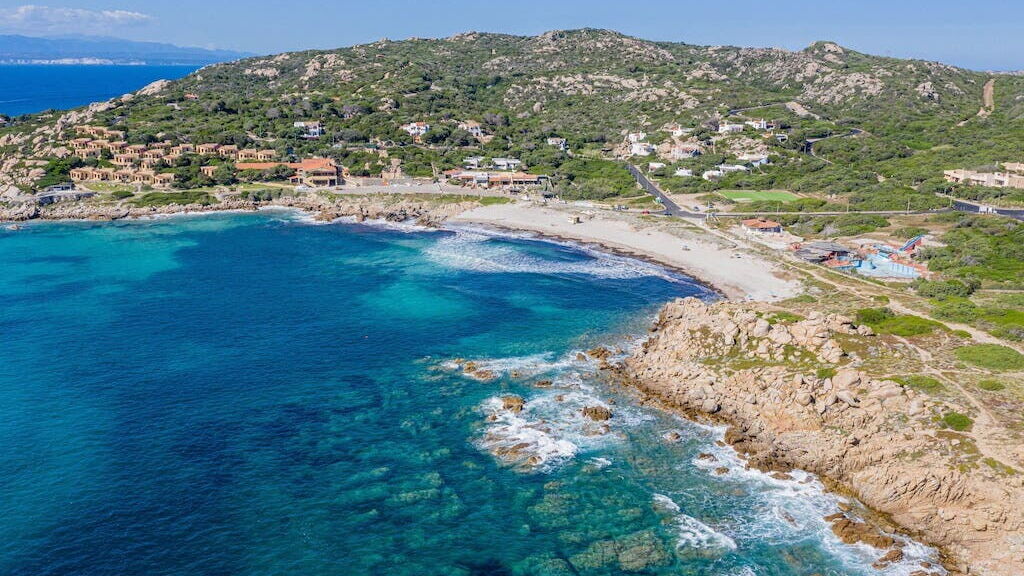
Aloha! Can you surf in Sardinia? Of course! Sardinia is one of the most popular surf spots. This is not surprising, considering that the island has no less than 1,849 km of coastline, including paradisiacal beaches, hidden coves and sheer headlands over rippling waters, ideal for those in search of the best waves. Its privileged position, in the middle of the Mediterranean Sea, makes the island the ideal destination for some surf breaks almost 365 days a year, with weather conditions that create small and medium-sized waves in every season.
Especially in winter, the Sardinian west coast is perfect for enjoying the majestic waves driven by the powerful mistral winds, so intense and dominant that it has characterised the island's picturesque landscapes. Those waves are so impressive that actual surfing competitions are often organised, as well as other water sports competitions.
There are plenty of surf spots in Sardinia to choose from and include in this itinerary to discover the best places to surf!
Surfing in Sardinia: Where to find the best waves : Read More
Last minute holidays in August 2026 in Sardinia: what to visit and do
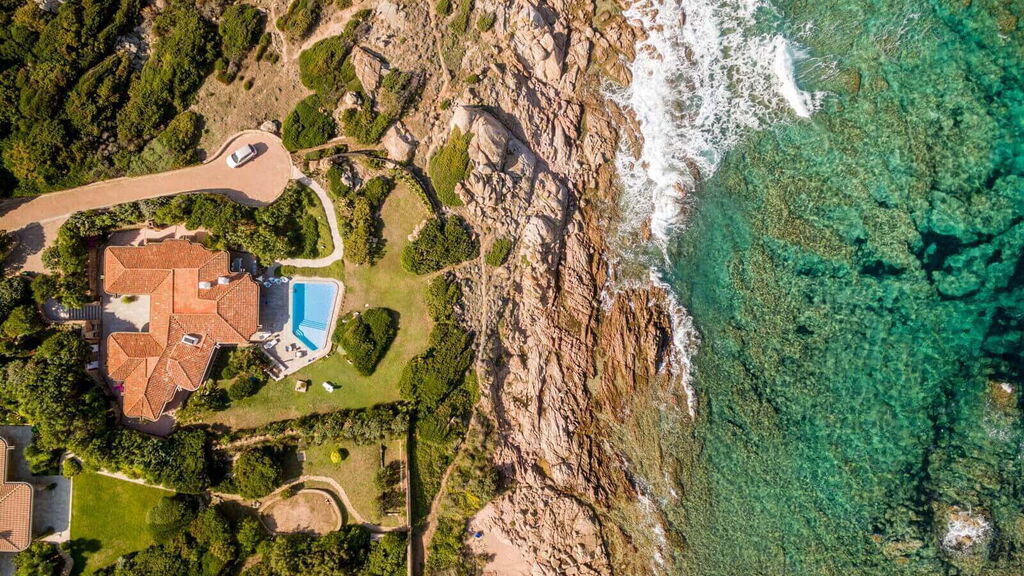
The most attractive places and events for your August holidays
August is here, cities and offices are empty and it's time for you to unplug: the well-deserved summer holidays are getting closer for you too. You are already dreaming of yourself lying on a beach lounger on a heavenly beach listening to the sound of the sea waves, perhaps with a good book or your favourite summer playlist. Then, before it's too late, you start quickly searching the Internet for ideas and destinations for a last minute August holiday. All of a sudden then comes a name: Sardinia. It's done, this year let's set off to discover a wonderful island that, we promise, will not cease to impress you with its beaches of rare beauty and millenary traditions.
Which route to follow? Where to stay? There is no time to plan everything to the last detail. So let this guide give you some ideas for planning your last minute holiday in Sardinia amidst kilometres of enchanting beaches, natural attractions and events not to be missed in the hottest month of the year.
Last minute holidays in August 2026 in Sardinia: what to visit and do : Read More
Family holiday with kids in Sardinia: Best places to visit

Summer holidays are finally here and you can't wait to spend some time with your children. There are many destinations to choose from, but Sardinia is definitely the right one for you. Do you know why? We tell you in this guide to the best places and attractions in one of the Mediterranean's most beautiful holiday destinations.
Firstly, what makes Sardinia ideal for holidays with babies and children is its shallow and crystal clear water, which allows your little darlings to play and have fun in complete safety. In fact, many beaches have been awarded the prestigious title of Blue Flag Beaches, an acknowledgement that certifies the quality and cleanliness of waters and lidos.
But there's more. If you are looking for a destination in connection with nature, Sardinia is full of unspoilt natural landscapes, national parks and a wide range of flora and fauna to be discovered. A lot of experiences to both entertain and educate children of all ages.
A piece of advice: the island is very vast, so it is ideal to tour it by car and choose the areas to visit in advance. If you would like to request a quotation to rent a car in Sardinia, you can contact us here.
Luggage ready? Let's go! Here are some ideas for planning your family holiday in Sardinia with a list of some of the most beautiful and family friendly seaside spots in this pearl of the Mediterranean.
Family holiday with kids in Sardinia: Best places to visit : Read More
Honeymoon in Sardinia: Most romantic places
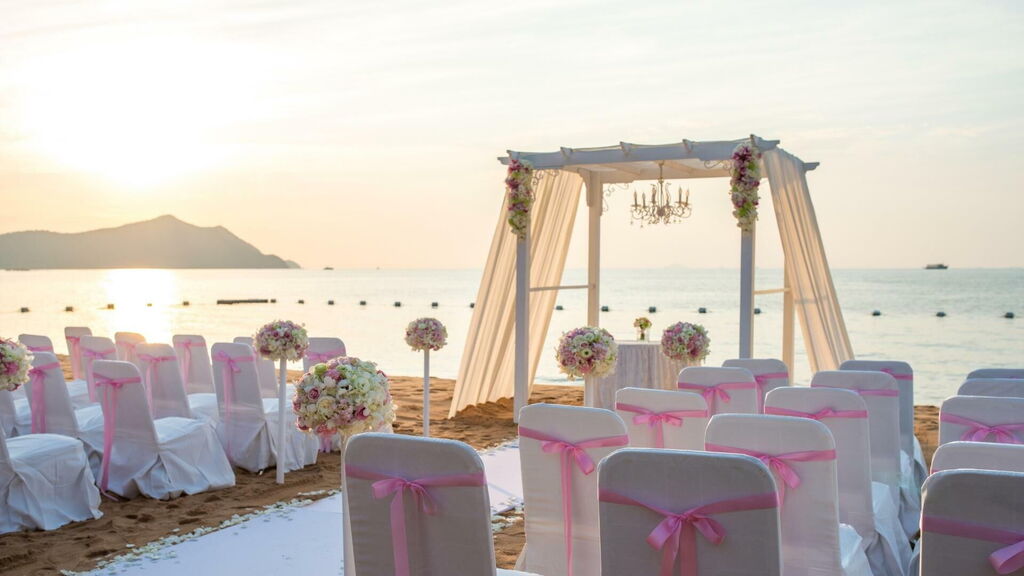
Your Sardinia Honeymoon in a luxury villa
Kilometers of unspoilt beaches, crystal-clear sea and a typically Mediterranean landscape: these are the ingredients that make Sardinia unique, the ideal background for your romantic honeymoon. Immersed in the heart of the Mediterranean Sea, the island is easily accessible from the main Italian and European cities, but you will immediately feel as if you have been thrown into an exotic paradise.
Whether you like glamorous and classy settings such as the elegant Porto Cervo, or savage and unexplored nature such as Tavolara Island, the thousand facets of this land can fascinate every kind of traveler. In this guide, we will try to suggest what we think are the best places to honeymoon in Sardinia. Between reserved bays and dreamlike panoramas, are you ready to experience an unforgettable honeymoon?
What to visit in San Teodoro, between history and nightlife
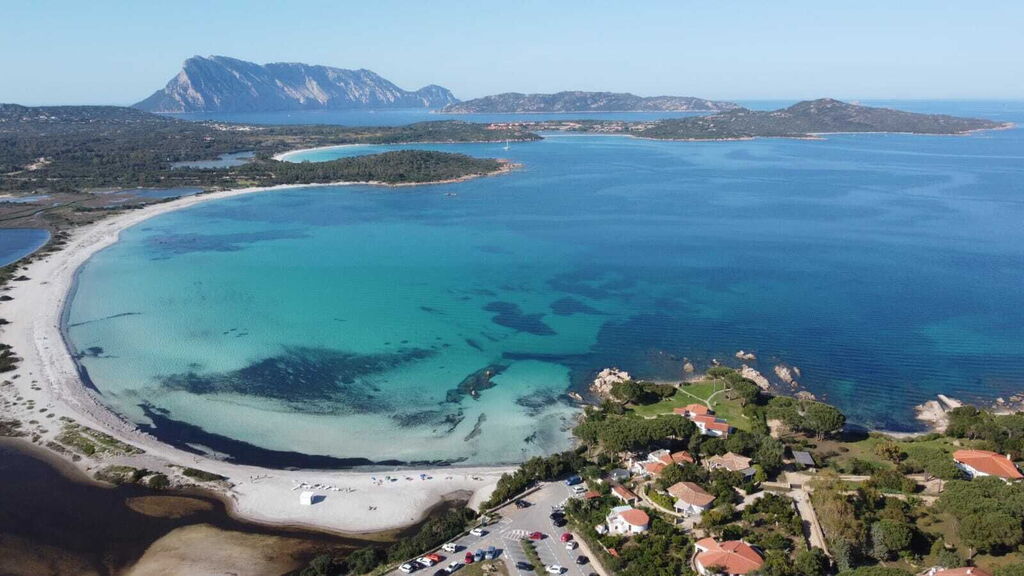
Things to do in San Teodoro, Tavolara and Molara islands
Upcoming trip to North Sardinia? Discover San Teodoro: things to do for all tastes and where to sleep, let yourself be inspired!
The small village of San Teodoro is one of the most attractive tourist spots in the Sardinian northeastern coast. Located just a few kilometres from the popular Costa Smeralda, it is well-known for its two souls, crystal clear water beaches and a vibrant nightlife.
If you are planning to visit San Teodoro, in this guide we will share some tips on the best attractions and the most stunning beaches to discover during your stay.
Its origin seems not to be very clear, although some remains dating back to the Nuragic civilisation, the population that once inhabited the island, have been found. Probably in the Roman era, San Teodoro was one of the resting places for those who were travelling to Olbia and the Gallura region.
In the following centuries, thanks to its coastline location, San Teodoro and the nearby villages will become one of the most strategic commercial and marine areas. Evidence from this period can be visited at the Museo della Civiltà del Mare.
The village truly expanded as a tourist destination in the second half of the last century, thanks to the birth and development of the nearby Costa Smeralda.
Did you know that the lagoon here is home to numerous pink flamingos? If you are a nature lover, one of the things to do in San Teodoro is booking a guided tour in this protected area, (contact us) and enjoy a breathtaking experience surrounded by the view of the Island of Tavolara.
You can even visit the island, which is right in front of the San Teodoro village by boat, whether on your own or with a guided tour. Around the marine Protected Area of Tavolara you will be surrounded by unspoilt landscapes and heavenly beaches, an experience you will never forget. Not far away, the suggestive Molara island is even smaller and more reserved. An authentic example of Mediterranean scrubland that can be visited only with the help of the Associazione culturale Molara.
One of the most famous beaches is Capo Coda Cavallo, whose particularity is its geographical conformation that keeps it sheltered from the winds. The absence of waves has in fact favoured the establishment of many marine species: discover them with the scuba snorkelling activities on offer.
Among the most dreamy beaches in San Teodoro you can find the Spiaggia La Cinta, 5 kilometres of fine sand reachable also by foot from the city. It is equipped with all the facilities you may need: beach bar, water sports, fishing trips, kitesurfing and so on! There is something for everyone!
Not so far from La Cinta, along the coast of San Teodoro, there is a corner of paradise, also called “the little Tahiti”. It’s Cala Brandinchi, with its dunes of white sand meeting the light blue shades of the sea.
Are you looking for something different than the sea? Nearby the village you can also organise a trekking or mountain bike excursion in the Monte Nieddu, 970 metres high.
What to visit in San Teodoro, between history and nightlife : Read More
Spring: 5 things you can see and visit in Sardinia
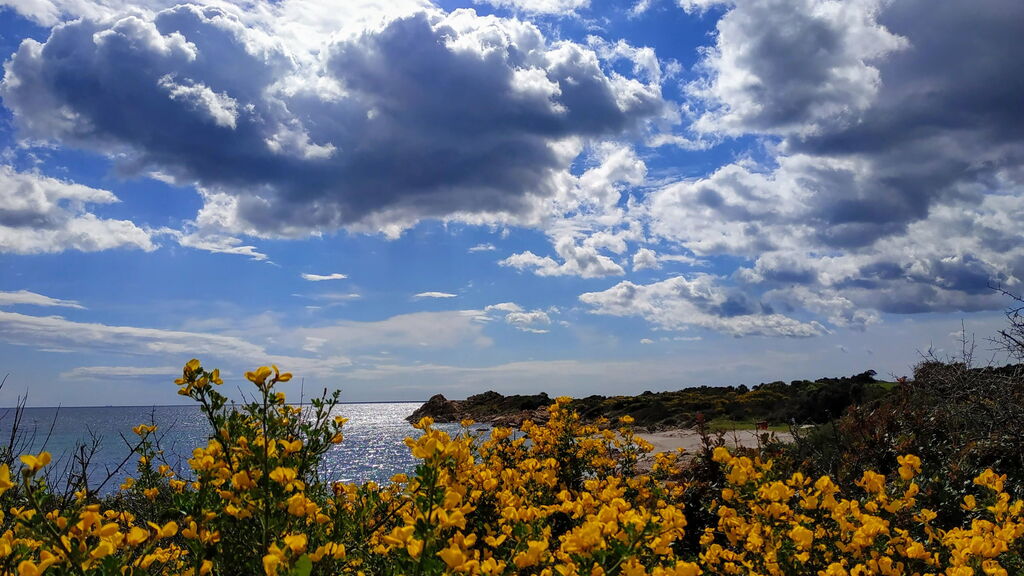
What to see in Sardinia during the Spring
Spring has begun! The whole of Sardinia is invested with its colors and scents that greet the blossoming of flowers in the fields. Weather permitting, and in recent years it has been more than generous, April and May are the perfect months to discover the island and its beauties without fearing the crowds of peak seasons. In spring, Sardinia enjoys a mild and pleasant climate. Temperatures begin to warm up, with averages ranging from 15 to 25 degrees Celsius. Rainfall is generally rare, and the island fills with flowers and lush vegetation. Beaches begin to be visited but are not as crowded as during the summer.
Let's find out together what to see in Sardinia in spring. Well, let's go!
Spring: 5 things you can see and visit in Sardinia : Read More
What to see and what to do in Tempio Pausania?
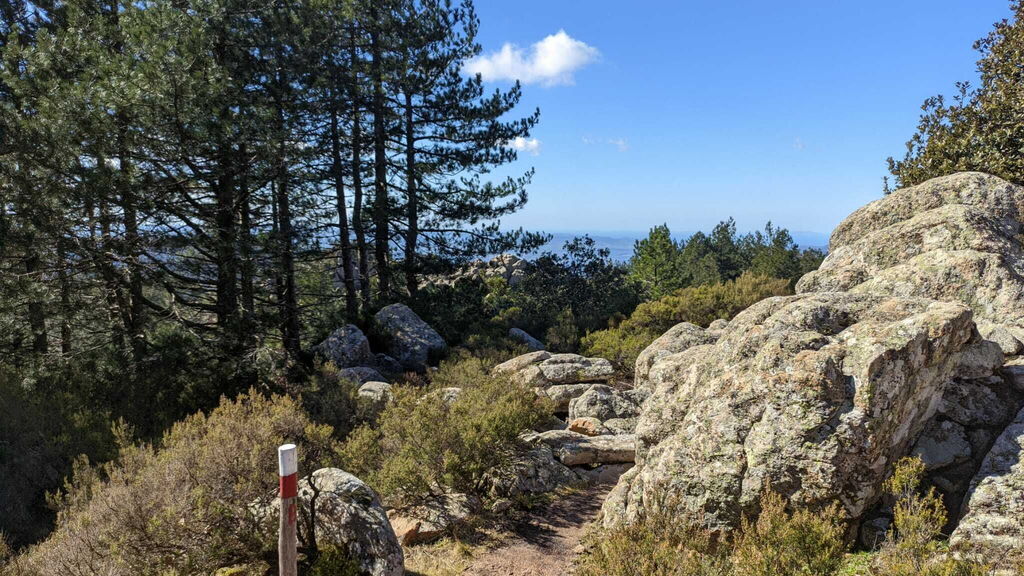
What to visit in the historic center of Tempio Pausania?
The city of Tempio Pausania occupies an important position in the heart of Gallura. Its peculiarities and traditions have been preserved and sometimes evolved, making this small and picturesque town an example of a perfect blend of eras and styles. The manufacturing and use of granite represent an architectural constant of the area, in fact, in every street of the historic centre there are buildings that, with their stone facades, manifest the deep relationship between nature and urbanization. The Cathedral of St. Peter and the Church of Santa Croce are certainly great examples of this. Two buildings of medieval origin, which over the centuries have grown in importance and, in particular the first one, have assumed prominent roles in the religious life of the island.
Tempio Pausania and its historic centre each year host cultural and folkloristic events. Fabrizio de André square (dedicated to the famous Italian singer) and Del Carmine theatre, often host musical and theatrical events, bouncing the musical notes of the local and national tradition, within the granite walls of the splendid Via Roma.
We cannot talk about Tempio Pausania without mentioning the famous local carnival. Perhaps the best known of Sardinia, that makes of the irony and sarcasm its emblem. With allegorical floats that parade accompanied by a festive crowd, who are loudly called to gather from all over the island, to exorcise the facts of the social life. "Lu Carrasciali Timpiesu", as is called, represents the best moment to visit the city and to enjoy the festive and light-hearted atmosphere that this event continues to offer.
The scents and shades of the colourful vegetation attract thousands of visitors and trekking lovers who along the various itineraries to discover this magical place. From the top, it will be possible to admire the dominion of the rocky giant that extends from the valley below to the waters that bathe Corsica. For lovers of Urbex (Urban Exploration), we point out the ruins of the now abandoned former USAF radio base. A fascinating and intense site in its own way. A site that because of its charm, between the melancholy and the desolate, we cannot but recommend to visit it. One day, hopefully soon, it will surely be returned to nature. But in the meantime, why not take the opportunity. In any case, we remind you to pay attention. On the other hand, it is still a series of abandoned and unsafe buildings that do not undergo maintenance works and are not secured.
Opposite the mountain, just beyond the city gates, we find one of the main archaeological remains of the area, the Nuraghe Majori. Its name is due to the large boulders that compose it. Its tower stands among the trees that surround it. From its strategic position, it stands guard over the valley below. Its presence gives us concrete proof of the strategic importance of the Tempio Pausania area over the entire Gallura area already in the Nuragic age. The same structural complexity can be found in the suggestive Nuraghe Izzana which, in Gallura, is the most majestic and particular example of Nuragic architecture known to us.
The path along our imaginary "granite road" continues to the famous Moon Valley. A plain that stretches for several kilometres. The area is rich in Mediterranean scrub and rock masses, which seem to explode and come out of the ground with all their strength (showing its volcanic origin). Sculpted by atmospheric erosion, who, like an artist, modelled their forms, making them anthropomorphic and familiar (It will not be rare to recognize faces or shapes among these boulders. In short, the apotheosis of pareidolia).
The attraction that the whole of Gallura and Tempio Pausania exert on travellers is well known. This is why we would like to advise you to discover it starting from our holiday homes and villas for rent in Costa Paradiso. An oasis, poised between the crystalline sea and the raw granite rock.
-Rifugio Degli Architetti: Born from the idea and collaboration of some architects as a symbol of their friendship, this beautiful villa, thanks to its elevated position and its splendid swimming pool, will be able to give you unique moments during your next holiday in Sardinia.
-Villa Corallo: A villa set among the granite of the area. A perfect blend of nature and comfort. This Villa with private pool in Sardinia is a gem not to be missed during your stay in Gallura.
Not only Costa Paradiso. But we are also waiting for you in our villas for rent in Portobello di Gallura. Discover Villa Gloriator and forget the stress of everyday life. Comfortably immersed in its infinity pool, from which, at sunset, you can enjoy the spectacle offered by the sun reflecting on the waves of the sea.
What are you waiting for then? whether you want to rent your property or you are looking for a villa for your next vacation, we at Sardinia Unlimited are waiting for you to offer you our services.
Tavolara island: what to do and how to get there
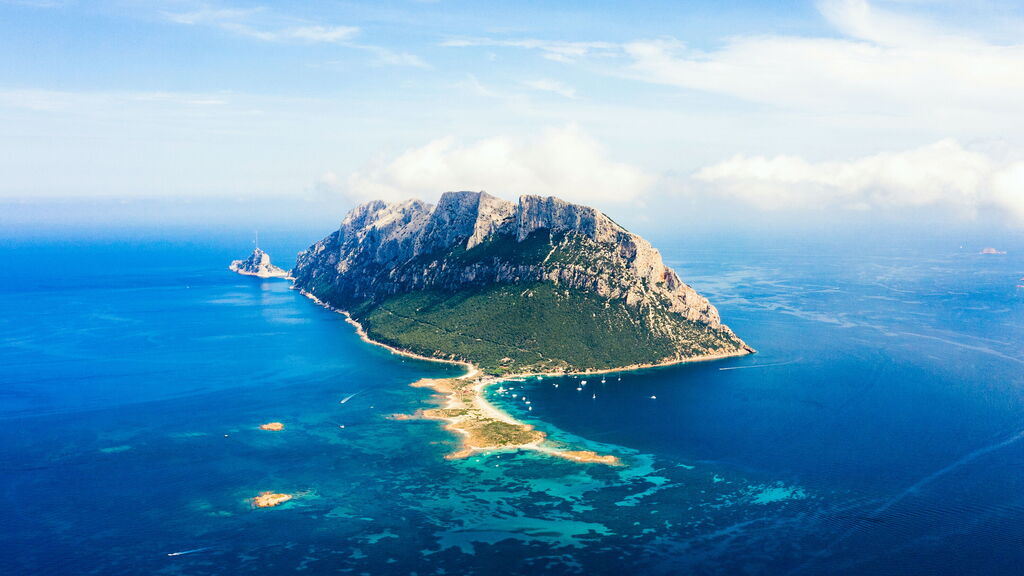
What to do in Tavolara?
Who, during their holidays in Sardinia, on the coast that goes from San Teodoro to Golfo Aranci, hasn't taken at least one photo of the island of Tavolara? The limestone massif overlooking the sea that dominates and is the backdrop to some of the most beautiful beaches in the area (such as La Cinta, Cala Brandinchi and Lu Impostu).
Despite being mainly known as a naturalistic area in the middle of the crystalline sea, Tavolara is much more. Its history, mixed with some legends, has to do with Kings (in this case the King of Tavolara), goats with gold teeth and explorers in search of new lands. First of all, know that Tavolara is the smallest kingdom in the world. At the end of the 18th century, Giuseppe Bertoleoni, after living in the archipelago of La Maddalena, decided to settle with his family on the island of Tavolara, to live off the breeding of goats with gold teeths (a peculiarity given by their diet) which in large numbers settle the territory. According to the legend, the king of Sardinia, having landed in Tavolara and meeting Bertoleoni, recognized its sovereignty on the island.
Are you wondering about what to do in Tavolara? First of all, we specify that not the whole island is visitable. The north side, Punta Timone, is inaccessible due to the presence of a NATO military base. On the other hand, the southern section will give you a lot of fantastic moments. Let's start our day in Tavolara from the most obvious reason to visit the island, the sea: As soon as you will arrive, you will be welcome by a strip of land covered by golden sand, with pink shades, bathed by an emerald sea, with low water (on the shore) suitable for children. If you are not comfortable with stopping at the first beach, know that it is possible to follow a short and easy path that will allow you, guided by the various didactic signs, to discover some of the main coves on the island (among those reachable on foot).
It's lunchtime. It's time to taste fresh fish dishes prepared in the two restaurants on the island. One of them takes its name from Mr Antonio called Tonino, as well as the current King of Tavolara. So, enjoy your meal! After the excellent lunch, we take a walk along the naturalistic path or take part in one of the organized excursions. We assure you that once you arrive at Punta Cannone, the highest peak on the island with its 565 meters above sea level, you will enjoy one of the most evocative views in Sardinia.
Every year Tavolara hosts “Notte in Italia” (a Night in Italy), the kermesse created to promote the dualism between cinema and environment which always attracts a large number of audiences flocked to the island to attend the various shows and events. All in a splendid atmosphere of encounter and sharing between actors, directors and their audience. You will be witnesses to one of the most interesting events of the Italian summer.
Tavolara island: what to do and how to get there : Read More
What to see in Stintino? Don't miss anything!
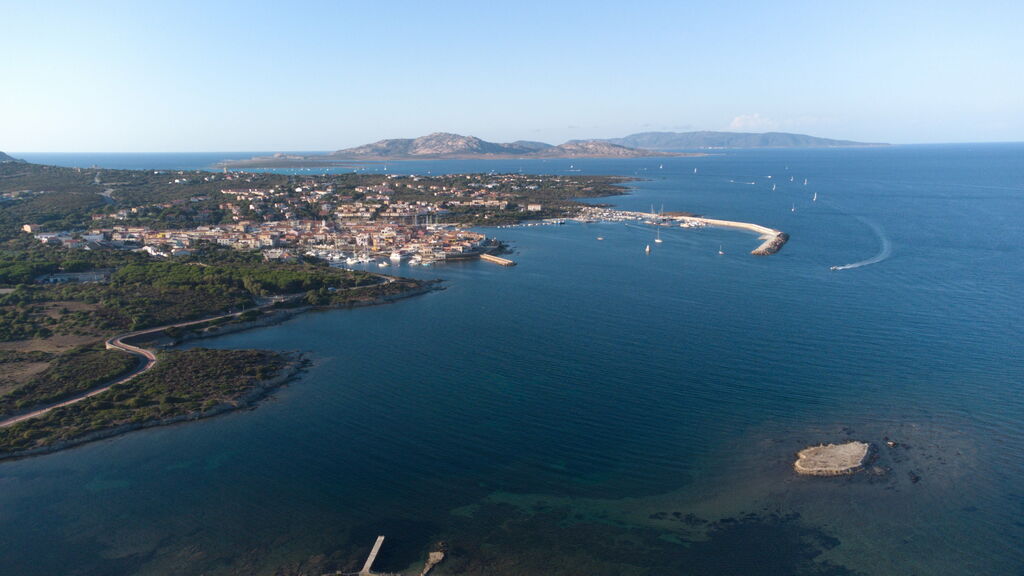
How to reach Stintino?
Founded in 1885 by a group of fishermen from the island of Asinara, Stintino is still considered one of the most beautiful villages in Italy to this day. The name of this small village is often mentioned in relation to La Pelosa beach. After all, it is the most famous beach in Sardinia. A unique attraction that, with its crystalline sea and white sand does not fear comparison with the most famous beaches in the world. The charm exercised by this town is such that it attracts hundreds of thousands of tourists every year, so much so that it becomes one of the first limited numbers of beaches in Sardinia (an initiative that is useful for making the experience more livable).
Let's see how to get to Stintino:
From Alghero airport, it is possible to reach Stintino by car passing through Porto Torres and following the signals. Otherwise, for those arriving from Olbia airport or Golfo Aranci, they must first reach Sassari along with the SS 131, following the road signs towards Porto Torres, and then take the SP 57.
There is no railway line that arrives in Stintino, but it is possible to reach it through the various transport services in the region that connect the main cities in the area with the center of the village and the La Pelosa beach.
Although it is preferable to travel by car to enjoy and discover the area, it is possible to use the shuttle service that connects the main beaches with the center of Stintino. But, even if more limited, a sedentary experience, if well organized, will be unforgettable. So whether your holiday is dedicated to discovery or total relaxation, we suggest some of our villas which, thanks to their unique location and characteristics, are perfect as a starting point for discovering Stintino and its wonders. Both by car and on foot.
A dream villa, one of the most exclusive in Sardinia. Its infinity pool is the stage for one of the most evocative shows on the island. The privileged view of the Falcone tower and the spectacle of the sunset you will see from here is impossible to describe in words. You can only admire it and be amazed.
A charming and welcoming villa, perfect for those who decide to spend their family holidays in Stintino. Thanks to its beautiful garden and its proximity to the main beaches it will make you feel at home.
What to see in Alghero and its surroundings, the attractions between history and nature
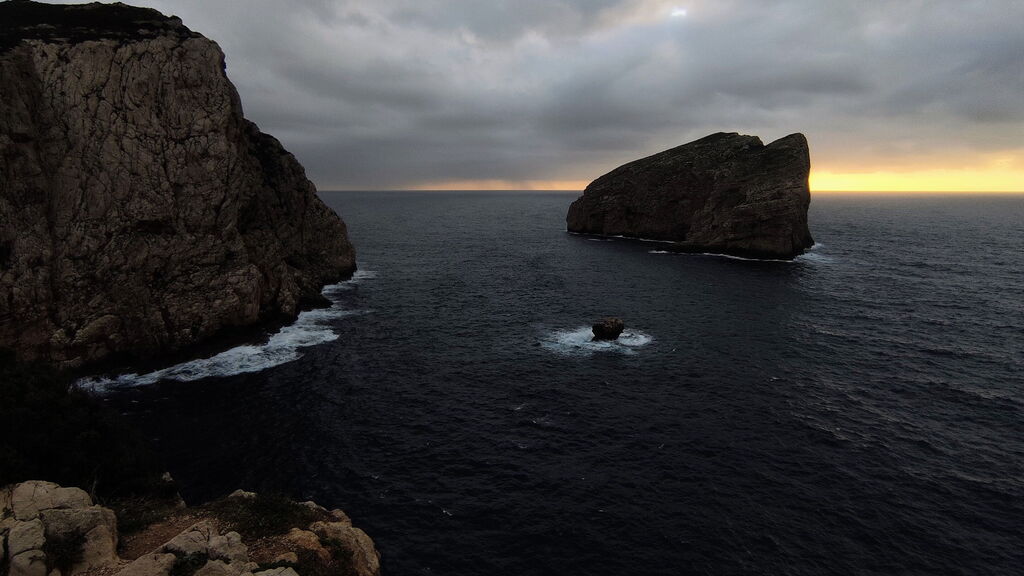
In the heart north west of Sardinia: discovering Fertilia
The city of Alghero and the “Riviera del Corallo” are some of the most precious pearls of Sardinia. "L'Alguer" (as it is called in the local language) is characterized by a unique charm in Sardinia, due to its Catalan origin. A must for all those who every year decide to choose the north west coast of Sardinia for their holidays and who let themselves be conquered by its cuisine, the archaeological sites and the white and impalpable sandy beaches that abound in the area.
In the surroundings of Alghero, about 6 kilometres from the city, lies the small village of Fertilia. The hamlet was founded in March 1936 following the reclamation of the Calich coastal lagoon. Since then this small hamlet became the home of the exiles of Ferrara first, and then of Istria and Dalmatia. By this mixture, Fertilia in Sardinia represents an atypical reality, which has continued and evolved since then, developing a new identity but without forgetting the past. Not entirely Sardinian, but from the island. From Alghero, but not Catalan.
Fertilia on a tourist level represents an alternative reality for those who decide to choose Alghero and surroundings to see and to experience, offering the opportunity to enjoy all the advantages offered by the nearby Catalan city, which represents one of the most famous tourist destinations of Italy, but without giving up relax and privacy.
The location of Fertilia is ideal for those wishing to discover the area. In 5 minutes by car, you can reach the most beautiful beaches in the entire area. Le Bombarde, Il Lazzaretto and Mugoni, with their silky sand, are a must and can undoubtedly be counted among the most beautiful beaches on the entire island. But we must not think that there is only the sea. The Roman bridge, the Calich pond (chosen as a home by various bird species such as flamingos), the beautiful archaeological complex of the nuraghe of Palmavera, the suggestive via climbing ways and nature trails, make this area full of attractions.
What to see in Alghero and its surroundings, the attractions between history and nature : Read More